Solace
What is Solace?
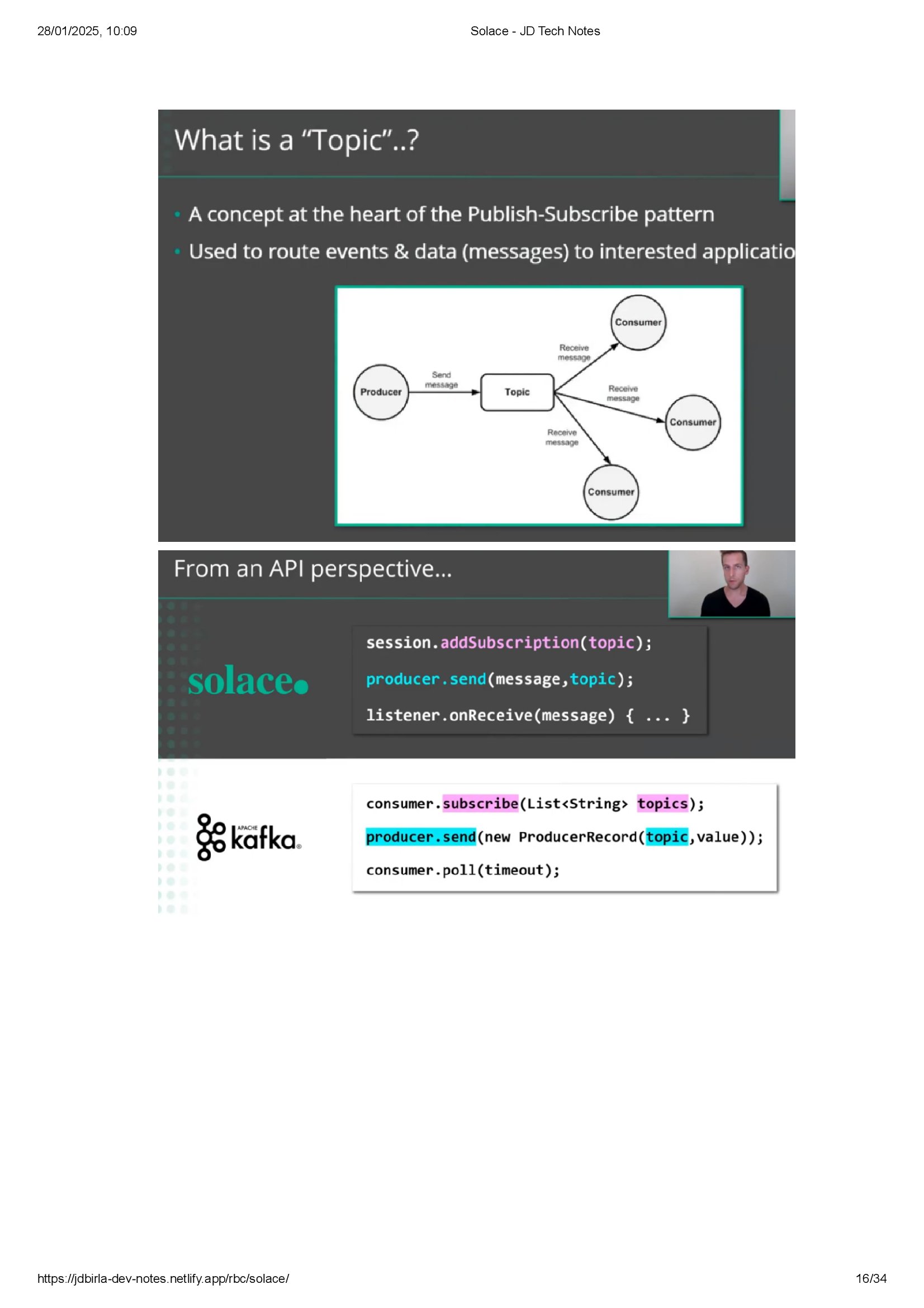
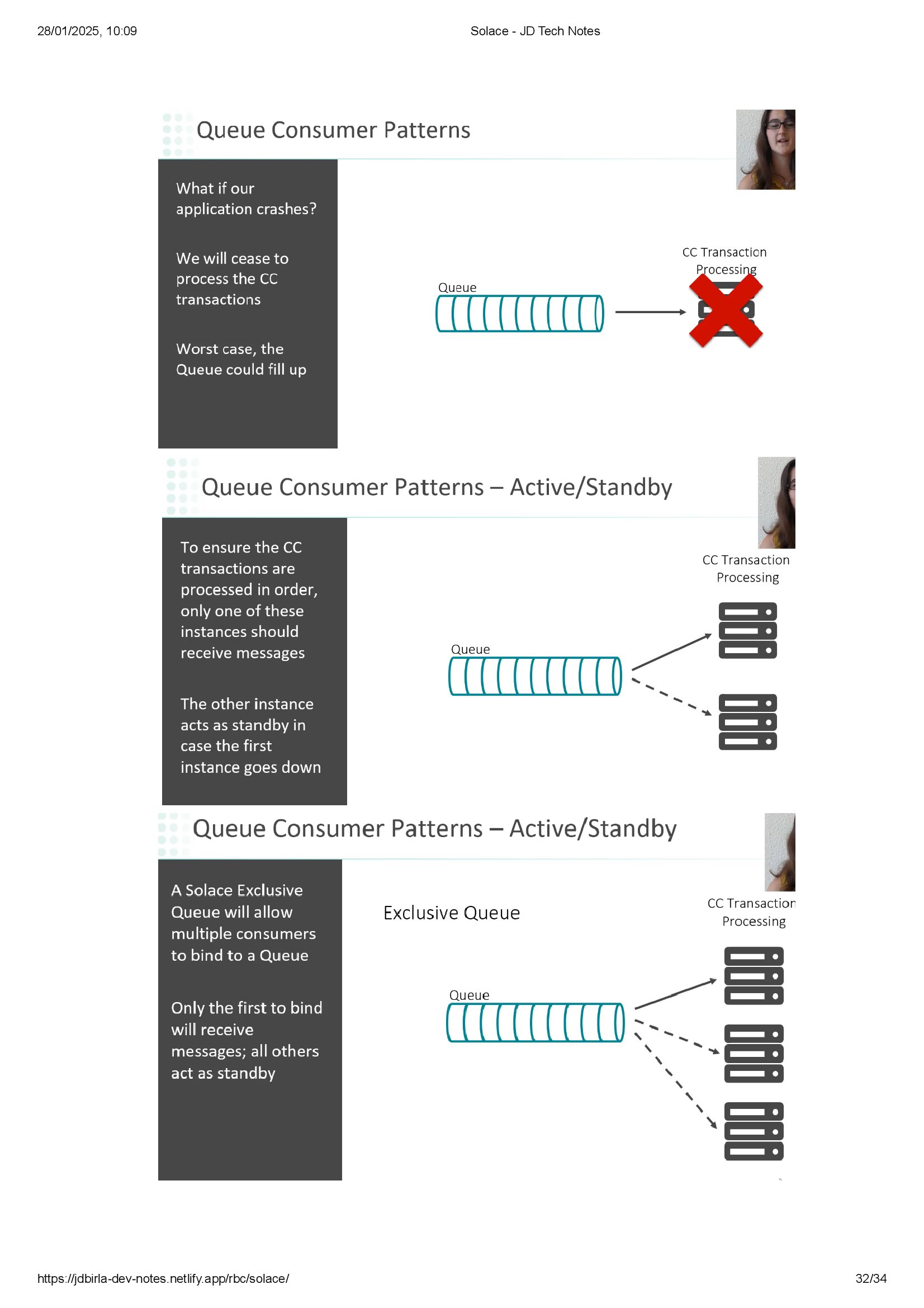
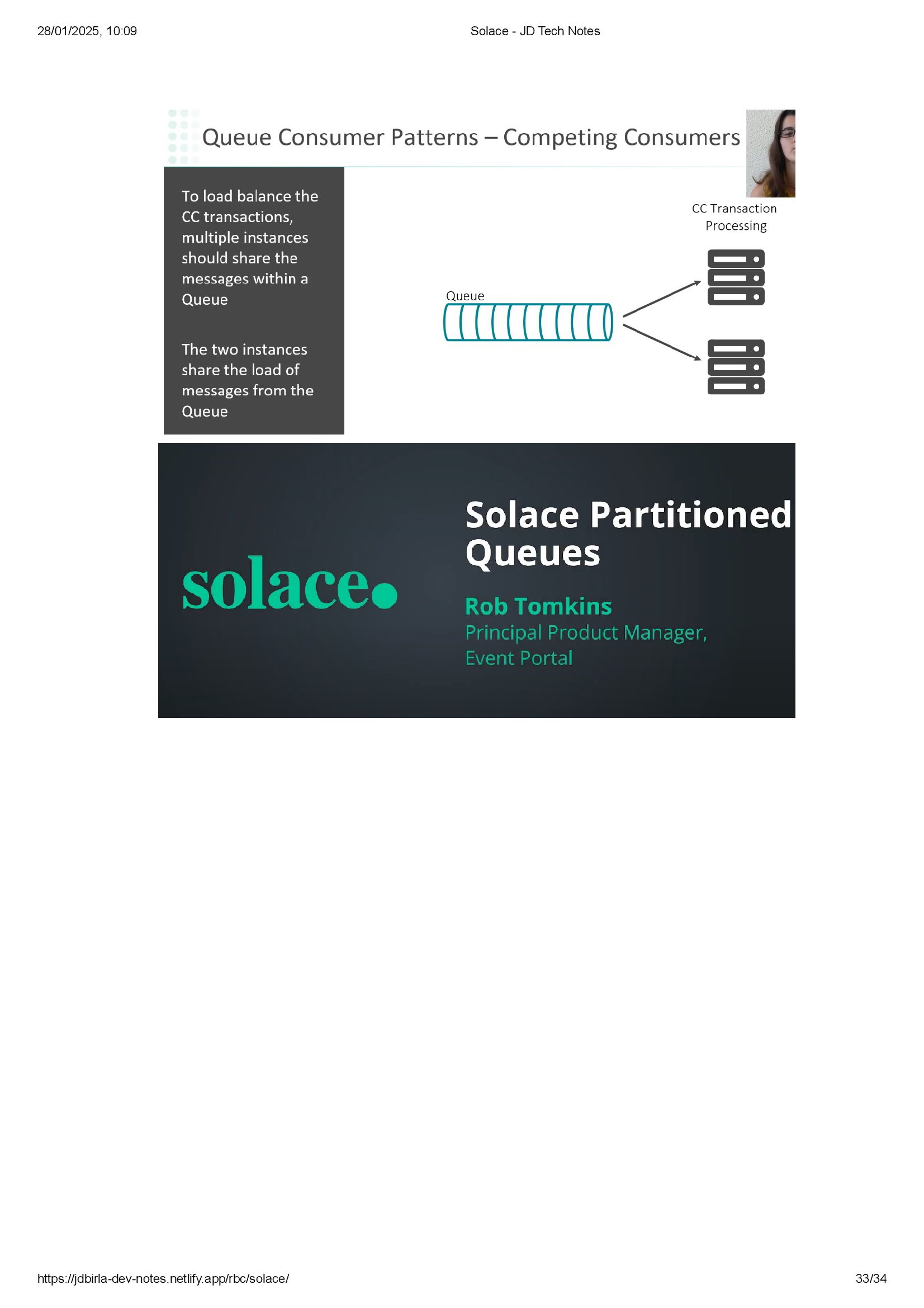
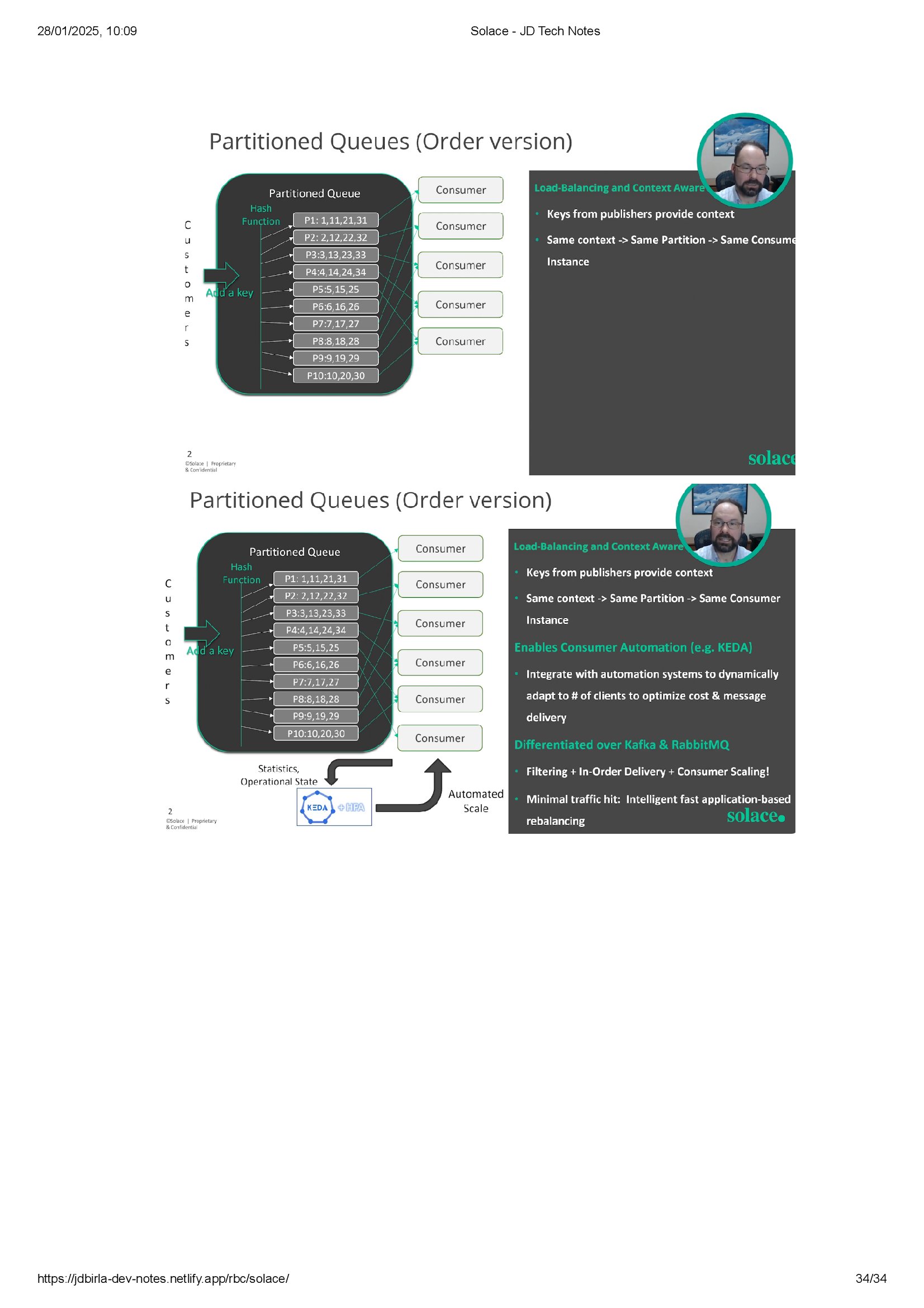
Solace is a messaging platform that facilitates event-driven architecture and real-time data transfer. It provides advanced message brokering capabilities, enabling systems to exchange information reliably and efficiently. Solace primarily uses PubSub+, its event-streaming platform, to manage and distribute data across hybrid and multi-cloud environments, microservices, IoT devices, and legacy applications.
Key Features of Solace:
- Event Broker: Solace PubSub+ acts as a central event broker for publishing and subscribing to messages, supporting multiple protocols such as MQTT, AMQP, JMS, REST, and WebSocket.
- Hybrid Cloud Support: It works seamlessly across on-premises, cloud, and edge environments.
- High Throughput and Low Latency: Ideal for high-volume data transfer scenarios such as financial markets or IoT.
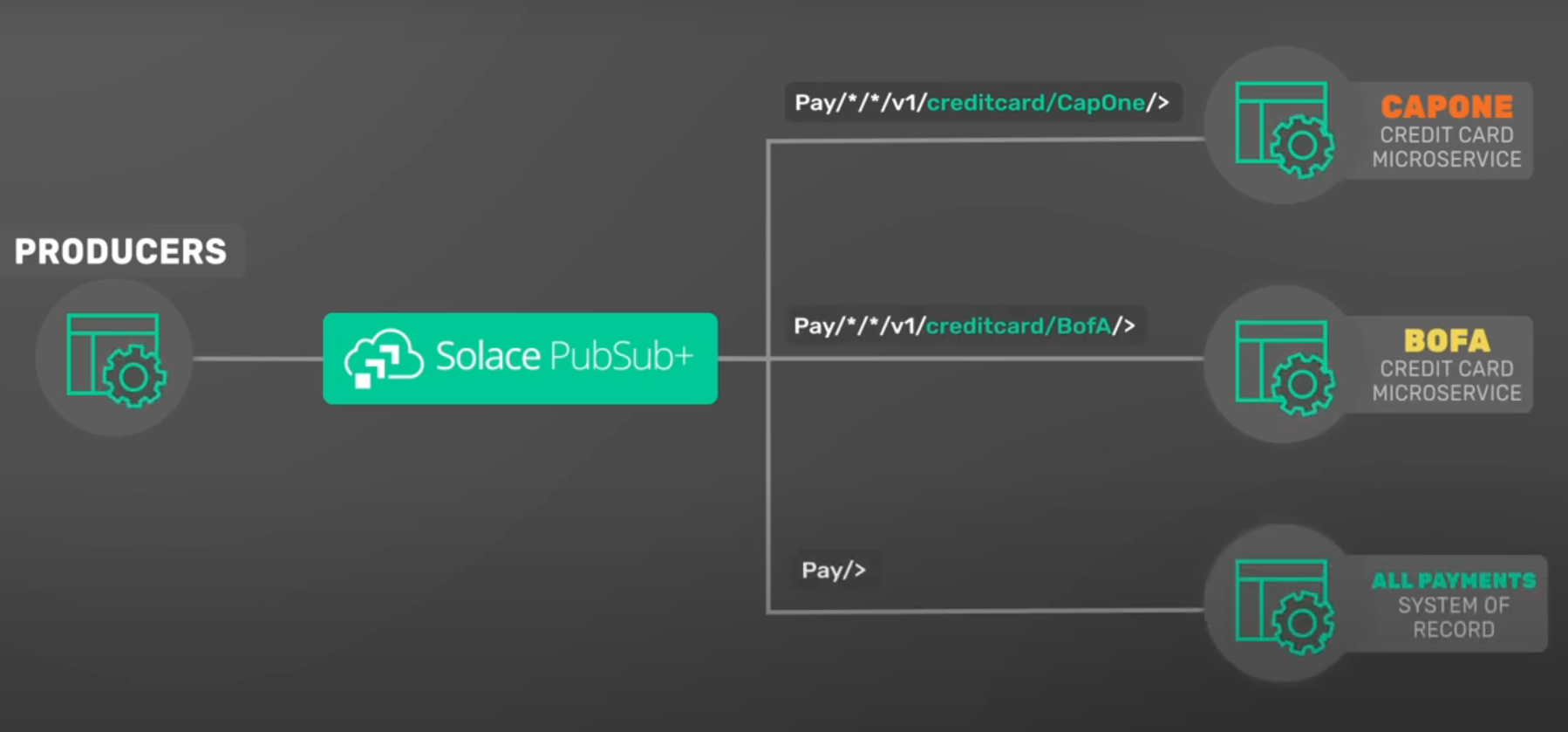
- Dynamic Message Routing: Enables efficient routing based on topics or attributes.
- Advanced Features: Includes replay, message persistence, guaranteed delivery, and message filtering.
- Developer-Friendly: Solace provides rich APIs, SDKs, and tools for various programming languages and frameworks.
Use Cases for Solace:
- Event-Driven Microservices:
- Facilitates asynchronous communication between microservices.
-
Handles real-time events for scalable and decoupled architectures.
-
IoT Applications:
- Collects, processes, and streams real-time IoT data.
-
Ensures reliable communication between devices and applications.
-
Financial Services:
-
Enables high-speed messaging for trading platforms, risk analytics, and market data distribution.
-
E-commerce and Retail:
-
Real-time inventory updates, order tracking, and personalized recommendations.
-
Transportation and Logistics:
-
Streams real-time data for fleet management, route optimization, and cargo tracking.
-
Telecommunications:
- Handles signaling and event distribution for telecom systems.
Here is a detailed comparison between Solace and Apache Kafka, covering their key aspects and use cases to help you decide which one to use for specific scenarios.
Solace vs Kafka

1. Overview
- Solace:
- Enterprise-grade event broker designed for real-time, event-driven architectures.
- Provides support for multiple messaging protocols (JMS, AMQP, MQTT, REST, WebSocket).
-
Focuses on dynamic message routing, hybrid cloud integration, and ease of use.
-
Apache Kafka:
- Distributed event streaming platform.
- Handles high-throughput, fault-tolerant data pipelines and event storage.
- Built for large-scale applications requiring stream processing and durable event logs.
2. Architecture
- Solace:
- Centralized architecture with brokers acting as a messaging backbone.
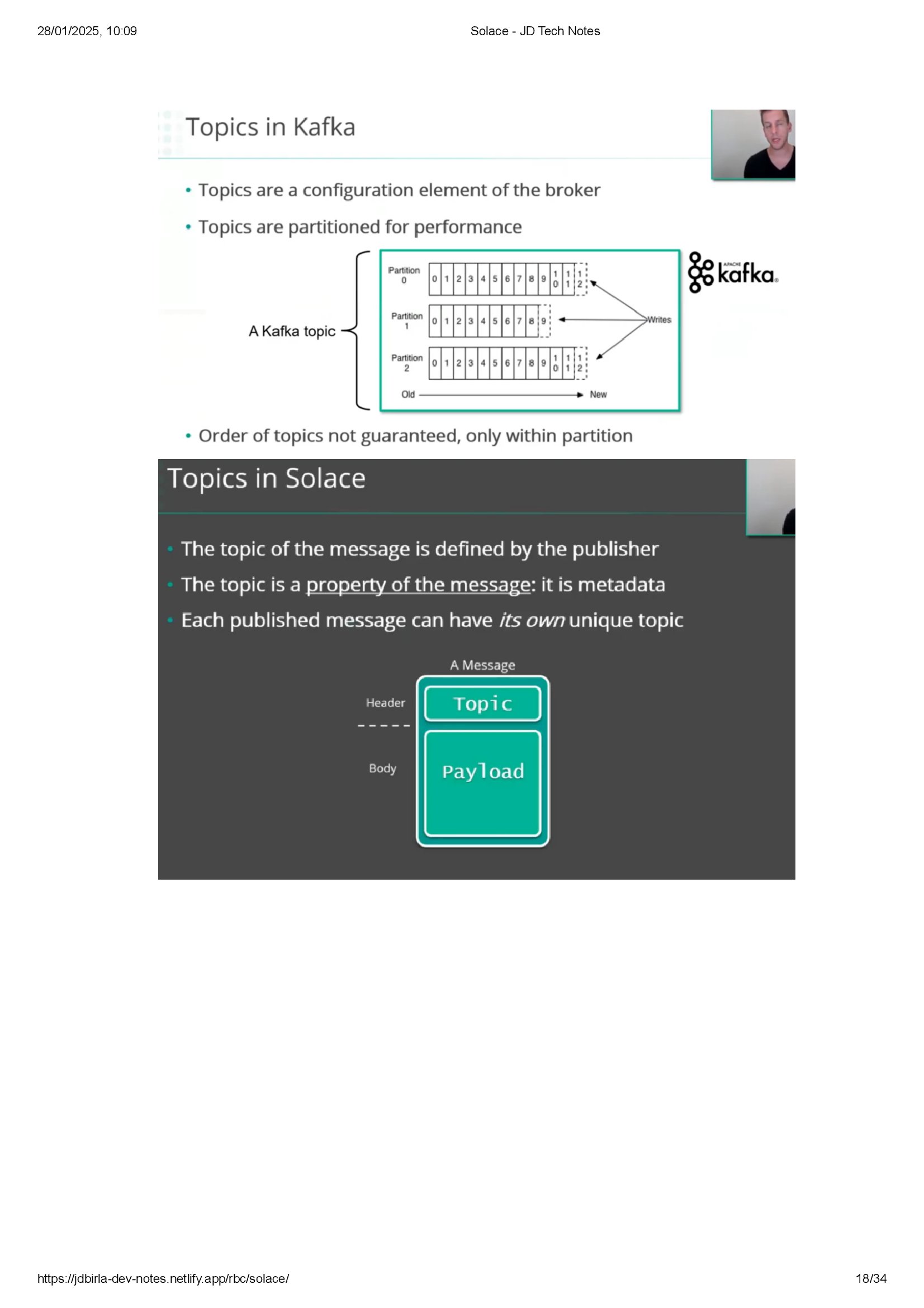
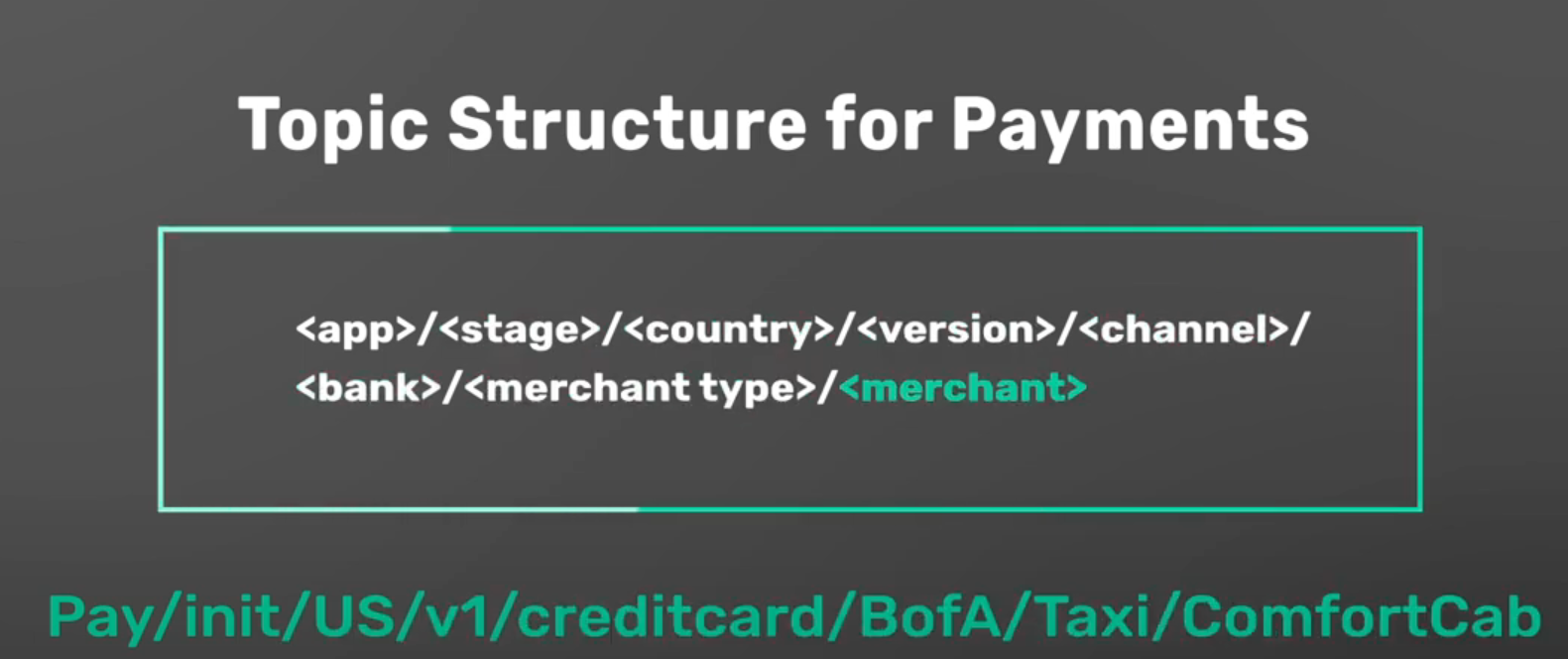
- Implements dynamic message routing with topics and message attributes.
-
Focuses on real-time, low-latency communication.
-
Kafka:
- Distributed architecture with brokers and partitions for horizontal scaling.
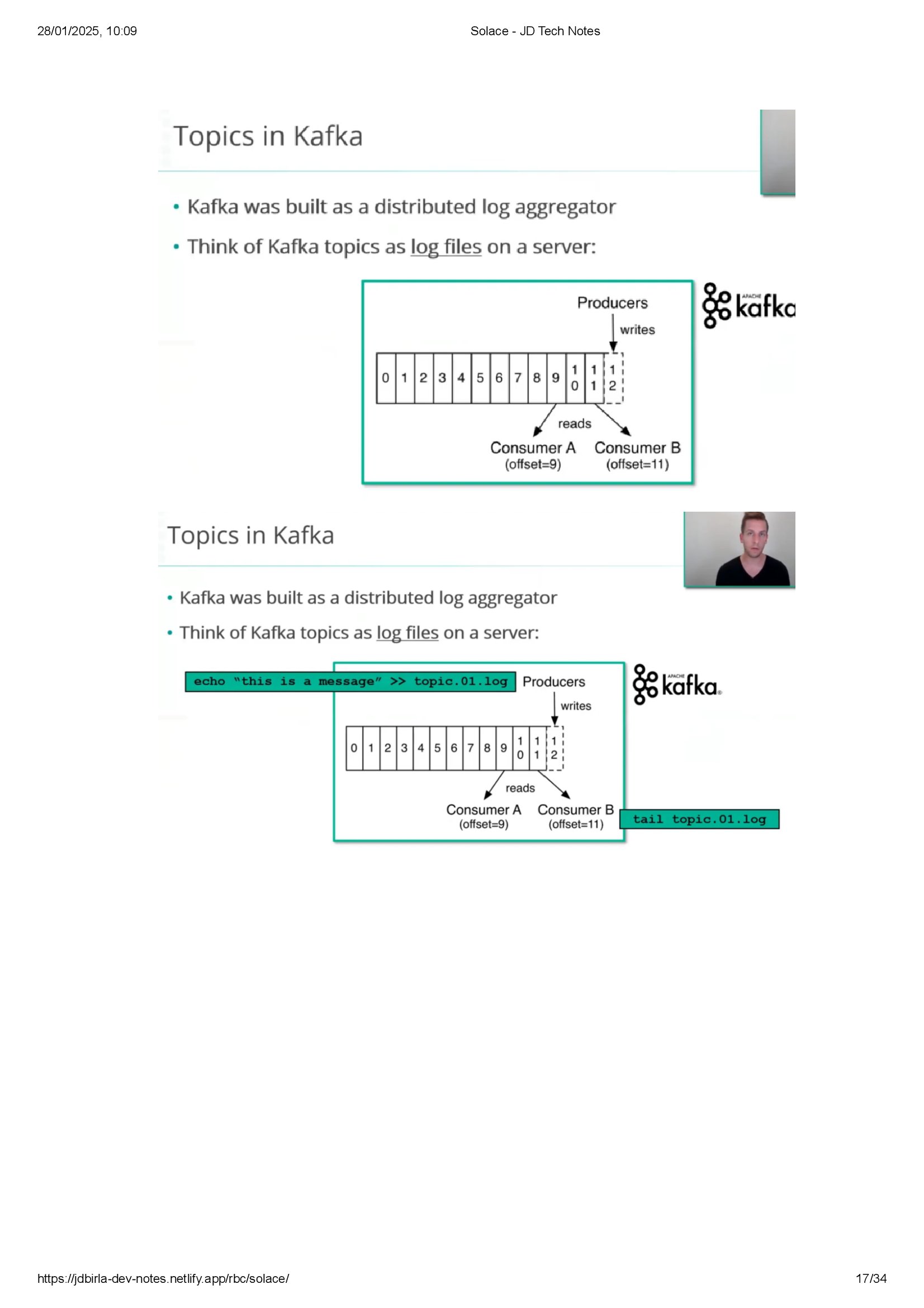
- Stores events in durable logs for replayability and processing.
- Designed for long-term storage of data streams.
3. Protocol Support
- Solace:
- Supports multiple protocols, including MQTT, AMQP, JMS, REST, WebSocket, and proprietary protocols.
-
Suitable for diverse ecosystems and IoT use cases.
-
Kafka:
- Primarily supports Kafka’s proprietary protocol.
- Integration with external systems often requires Kafka Connect or custom adapters.
4. Message Delivery
- Solace:
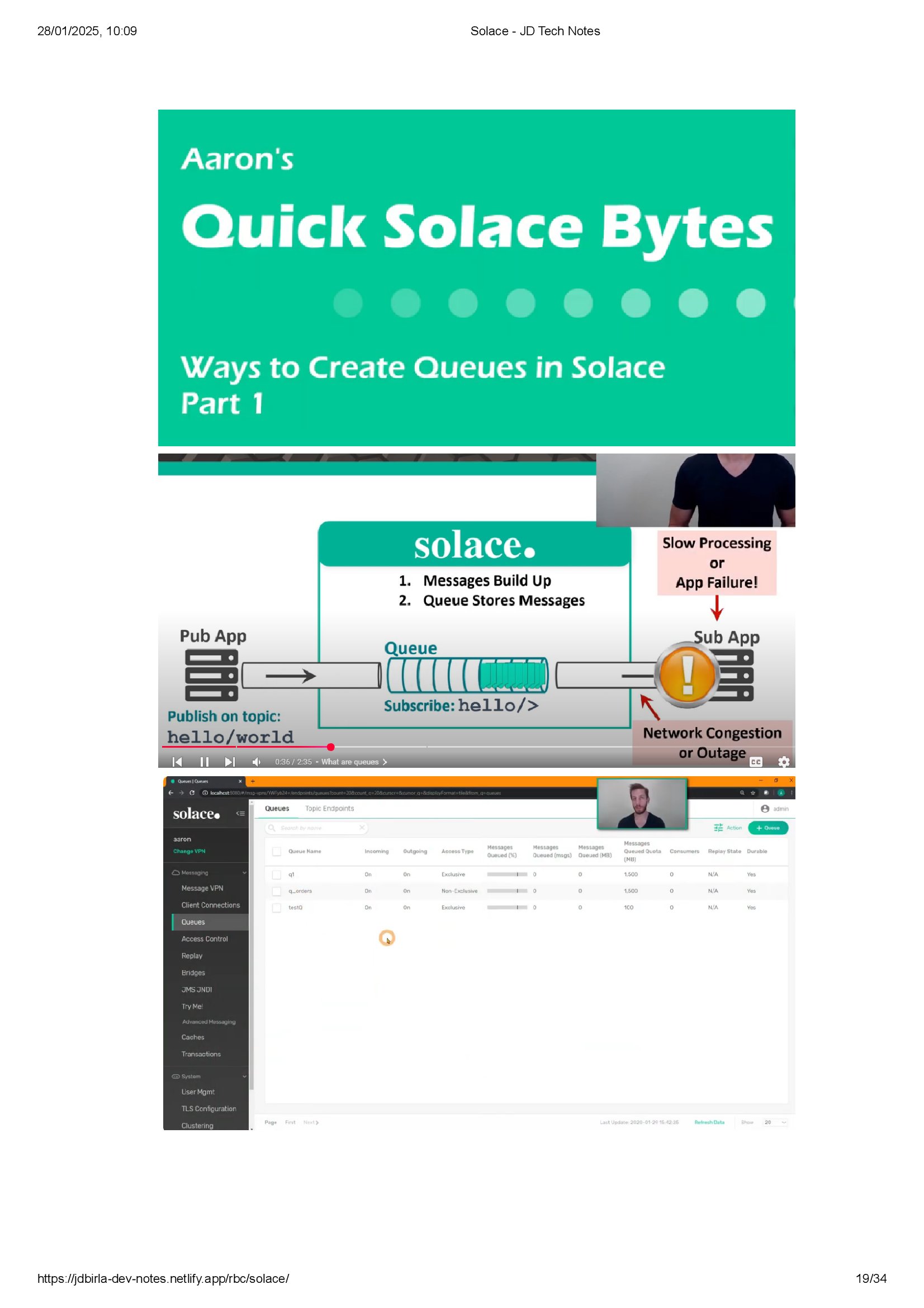
- Offers guaranteed message delivery with persistent queues.
- Implements message filtering and fan-out using topics or headers.
-
Designed for low-latency, high-reliability messaging.
-
Kafka:
- Provides at-least-once, at-most-once, or exactly-once delivery semantics.
- Focuses on durable event storage, enabling replay of messages.
- Best suited for high-throughput use cases requiring reliable delivery.
5. Latency
- Solace:
- Optimized for ultra-low latency in real-time systems.
-
Suitable for financial markets, IoT, and event-driven microservices.
-
Kafka:
- Generally higher latency than Solace but optimized for throughput.
- Ideal for use cases like data pipelines and event streaming.
6. Scalability
- Solace:
- Scales vertically and horizontally but is more centralized.
-
Designed for hybrid-cloud and on-premises environments.
-
Kafka:
- Highly scalable with distributed architecture.
- Ideal for handling large-scale, high-volume event streams.
7. Storage
- Solace:
- Does not focus on long-term storage of messages.
-
Messages are typically transient, though persistence is available for short-term storage.
-
Kafka:
- Built for durable, long-term event storage.
- Enables replayability and event sourcing for up to months or years.
8. Ecosystem and Tools
- Solace:
- Provides PubSub+ Cloud for hybrid environments.
-
Offers developer-friendly APIs and tools for integration.
-
Kafka:
- Ecosystem includes Kafka Streams, KSQL, Kafka Connect, and integration with tools like Apache Flink, Spark, etc.
- Strong community support and wide adoption.
9. Deployment
- Solace:
- Deployable in hybrid, multi-cloud, on-premises, or edge environments.
-
Managed service available via Solace PubSub+ Cloud.
-
Kafka:
- Requires management of brokers, zookeepers, and partitions unless using managed services (e.g., Confluent Cloud, AWS MSK).
- Focuses on distributed deployment.
10. Ease of Use
- Solace:
- Easier to configure and use for real-time communication.
-
Provides ready-to-use management dashboards.
-
Kafka:
- Steeper learning curve, especially for managing partitions and ensuring fault tolerance.
- Requires expertise to set up and manage.
11. Pricing
- Solace:
- Enterprise product with subscription costs.
-
Offers both managed (cloud-based) and self-hosted options.
-
Kafka:
- Open-source, but requires infrastructure and maintenance costs.
- Commercial support available through Confluent.
12. Typical Use Cases
| Scenario | Recommended Tool | Reason |
|---|---|---|
| High-throughput data pipelines | Kafka | Designed for large-scale event streaming and storage. |
| Event-driven microservices | Solace | Optimized for real-time, low-latency communication. |
| Hybrid or multi-cloud setups | Solace | Seamless integration with hybrid cloud environments. |
| Real-time financial systems | Solace | Offers ultra-low latency, essential for trading systems. |
| IoT applications | Solace | Protocol support (MQTT) and low-latency messaging. |
| Stream processing | Kafka | Strong support for data transformations and analytics. |
| Long-term event storage | Kafka | Durable log storage with replay capabilities. |
When to Choose Solace
- You need real-time, low-latency messaging for mission-critical systems.
- You work in a hybrid cloud or multi-cloud environment.
- Your use case requires support for multiple protocols like MQTT, JMS, or AMQP.
- You're developing applications in IoT, financial markets, or logistics.
When to Choose Kafka
- You require high-throughput, durable event storage for data pipelines.
- Your architecture involves distributed stream processing.
- You need event replay and historical data retention.
- Your system scales to handle millions of events per second across a cluster.
Conclusion
- Solace is better suited for real-time, event-driven architectures with diverse protocol needs, hybrid environments, and low latency.
- Kafka excels in stream processing, durable storage, and high-throughput use cases.
Solace vs Apache Kafka vs RabbitMQ**
1. Architecture
| Feature | Solace | Apache Kafka | RabbitMQ |
|---|---|---|---|
| Type | Event broker with Pub/Sub, queueing, and stream processing | Distributed event streaming platform | Message broker with queueing and Pub/Sub |
| Protocol Support | MQTT, AMQP, JMS, REST, WebSocket, proprietary | Custom Kafka protocol (binary, high-performance) | AMQP, STOMP, MQTT, HTTP |
| Message Storage | Persistent and transient message queues | Persistent (log-based storage with configurable retention) | Persistent and transient queues |
| Message Delivery | Guaranteed, at-most-once, or at-least-once | At-least-once, exactly-once (requires configuration) | At-most-once or at-least-once |
| Clustering | Supports clustering across hybrid environments | Distributed and scalable (partition-based) | Centralized broker; clustering for HA |
2. Performance
| Feature | Solace | Apache Kafka | RabbitMQ |
|---|---|---|---|
| Latency | Low latency (microseconds-level) | Ultra-low latency, optimized for logs | Moderate latency |
| Throughput | High throughput (up to millions/sec) | Very high throughput (logs optimized) | Moderate throughput (~50k/sec) |
| Scalability | Horizontal scalability, cloud-native | Highly scalable (distributed by design) | Scalable with clustering |
3. Key Features
| Feature | Solace | Apache Kafka | RabbitMQ |
|---|---|---|---|
| Message Pattern | Pub/Sub, request-response, message queues | Pub/Sub (log-based topics) | Pub/Sub, request-response |
| Replay Messages | Supported (with persistence) | Supported (time-based or offset-based) | Limited (requires custom setup for persistence) |
| Dynamic Routing | Built-in, topic hierarchy | Limited to partitioning and topics | Built-in, exchange routing |
| Backpressure Handling | Flow control and configurable message timeouts | Consumers decide their read speed | Flow control based on acknowledgments |
| Protocol Flexibility | Supports multiple protocols | Kafka protocol only | Limited protocol variety |
4. Use Cases
Solace
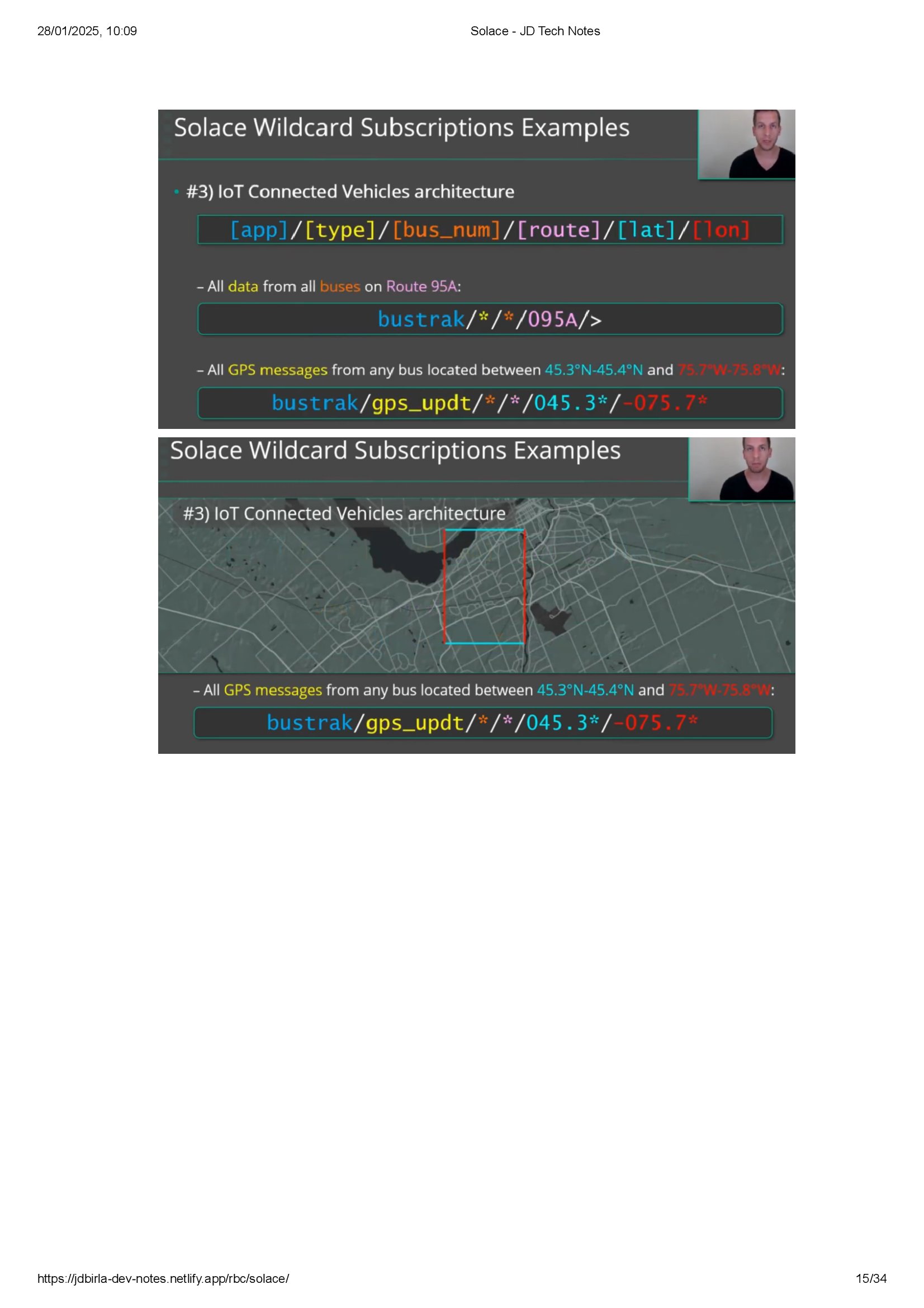
- IoT Applications: Handles real-time, low-latency communication for connected devices.
- Hybrid Cloud Environments: Bridges on-premises and cloud systems.
- Event-Driven Microservices: Decouples systems using advanced Pub/Sub patterns.
- Financial Services: High-speed event streaming for trading platforms.
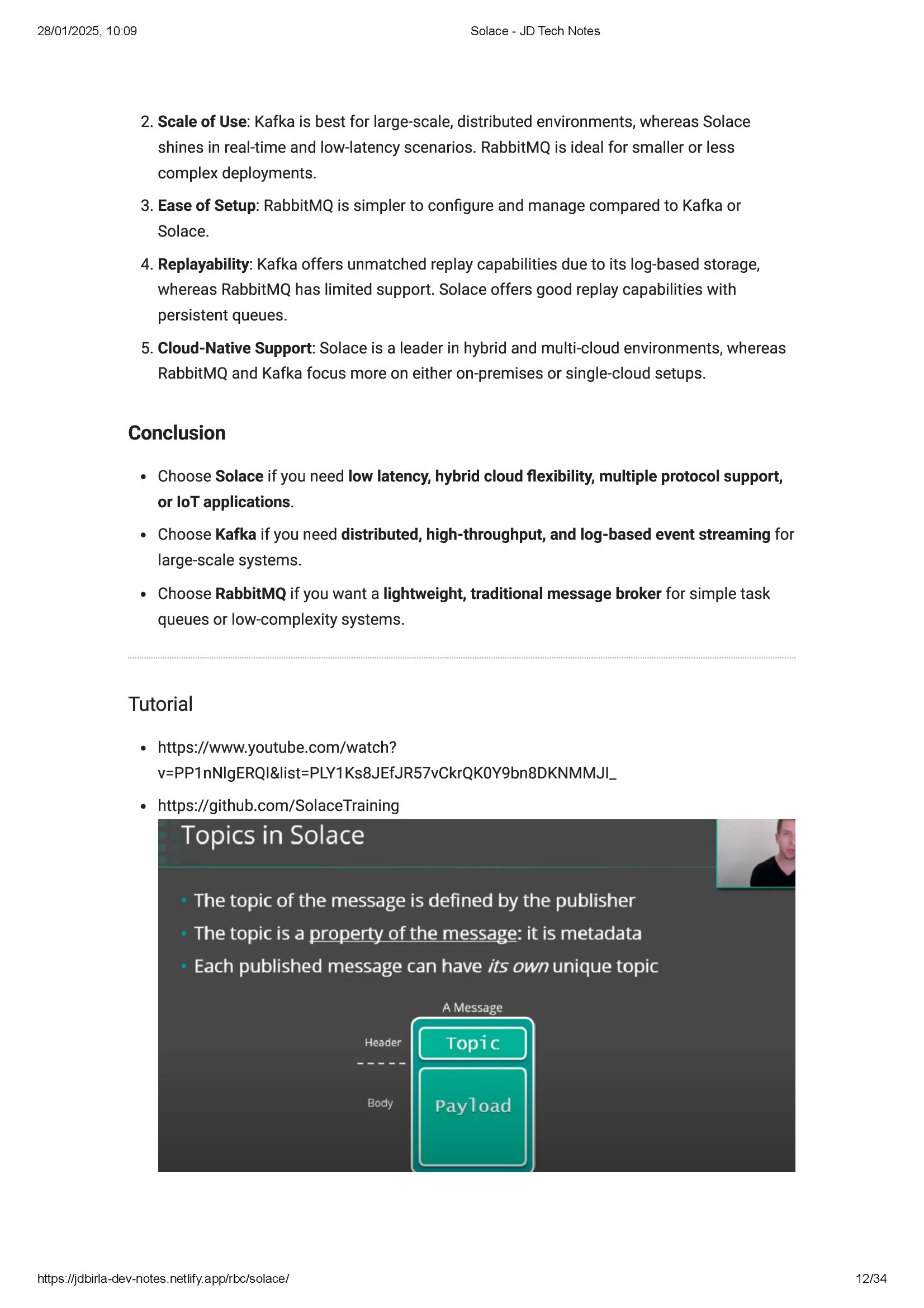
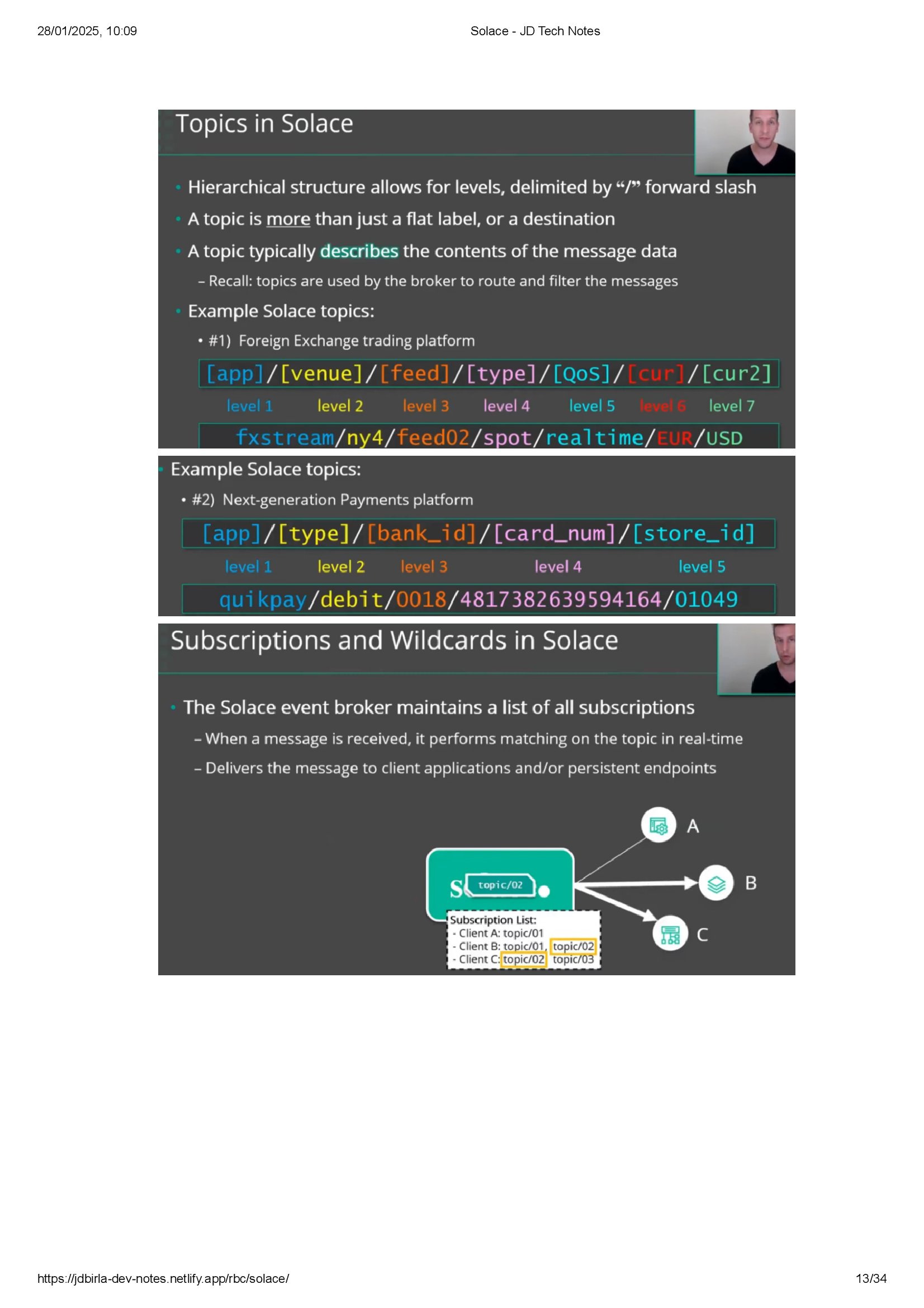
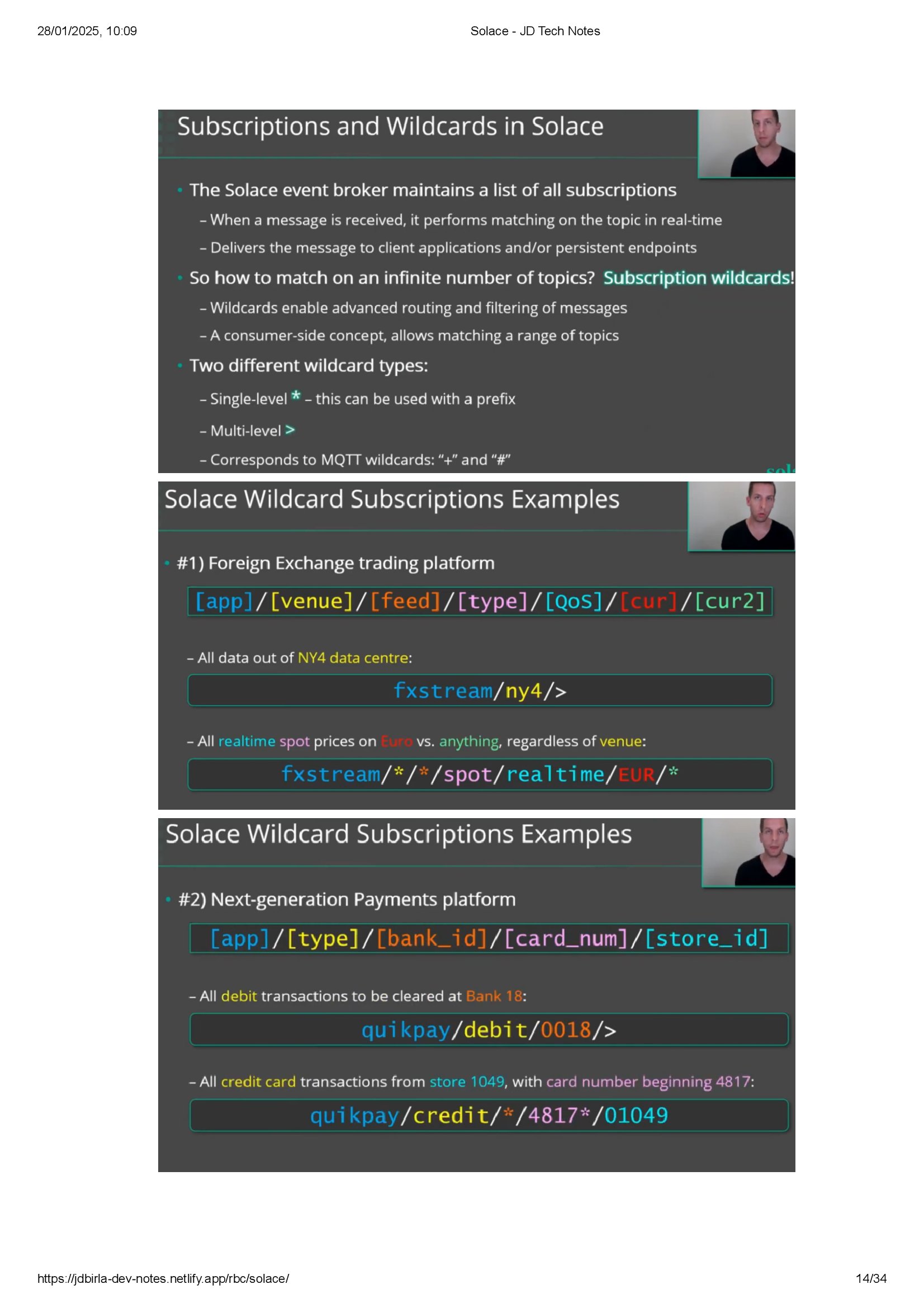
- Message Routing: Topic-based dynamic routing with hierarchical structure.
Apache Kafka
- Real-Time Data Streaming: Captures and processes large volumes of event data.
- Data Pipelines: Connects various data sources and sinks.
- Event Sourcing: Logs every change as an event for audit and history.
- Big Data Analytics: Streams data to analytics platforms like Spark and Flink.
- Log Aggregation: Acts as a central hub for collecting logs across distributed systems.
RabbitMQ
- Traditional Message Queues: Request-response patterns and work queue processing.
- Task Distribution: Balances tasks across multiple workers.
- Lightweight Messaging: Suitable for lightweight or low-complexity messaging systems.
- Microservices Communication: Ideal for decoupling services with simpler patterns.
- Cloud-Native Applications: Integrates easily with various cloud services.
5. When to Choose
| Scenario | Best Choice | Reason |
|---|---|---|
| High Throughput Streaming | Kafka | Optimized for streaming large datasets with low latency and partition-based scaling. |
| Low Latency Event Communication | Solace | Offers microsecond-level latency and advanced protocol support. |
| Complex Routing Rules | Solace or RabbitMQ | Solace for topic hierarchy, RabbitMQ for custom exchange routing. |
| Distributed Systems Logs | Kafka | Log-based storage enables easy replay and analytics. |
| IoT and Hybrid Cloud | Solace | Supports IoT protocols (MQTT, WebSocket) and hybrid cloud environments. |
| Lightweight, Simple Queuing | RabbitMQ | Easy to set up and supports basic queuing needs with lower resource requirements. |
| Message Replay with State | Kafka | Stores logs for long-term replay and exactly-once semantics. |
| Real-Time Financial Applications | Solace | Reliable and high-speed messaging with support for multiple protocols and low latency. |
| Integration with Legacy Systems | RabbitMQ or Solace | RabbitMQ is simple to integrate; Solace provides better flexibility for complex hybrid integrations. |
| Scalable Analytics Pipelines | Kafka | Highly scalable for distributed analytics pipelines with seamless big data integration. |
Key Differences in Decision-Making
- Protocol Requirements: If you need support for multiple messaging protocols (MQTT, AMQP, JMS), Solace is the clear winner. Kafka uses its proprietary protocol, while RabbitMQ supports AMQP primarily.
- Scale of Use: Kafka is best for large-scale, distributed environments, whereas Solace shines in real-time and low-latency scenarios. RabbitMQ is ideal for smaller or less complex deployments.
- Ease of Setup: RabbitMQ is simpler to configure and manage compared to Kafka or Solace.
- Replayability: Kafka offers unmatched replay capabilities due to its log-based storage, whereas RabbitMQ has limited support. Solace offers good replay capabilities with persistent queues.
- Cloud-Native Support: Solace is a leader in hybrid and multi-cloud environments, whereas RabbitMQ and Kafka focus more on either on-premises or single-cloud setups.
Conclusion
- Choose Solace if you need low latency, hybrid cloud flexibility, multiple protocol support, or IoT applications.
- Choose Kafka if you need distributed, high-throughput, and log-based event streaming for large-scale systems.
- Choose RabbitMQ if you want a lightweight, traditional message broker for simple task queues or low-complexity systems.

Tutorial
- https://www.youtube.com/watch?v=PP1nNlgERQI&list=PLY1Ks8JEfJR57vCkrQK0Y9bn8DKNMMJI_
- https://github.com/SolaceTraining